I inherited my parents' auto repair shop. I don't want to run it. What are my options?
The good news is that honoring your parent's work and making a practical decision for yourself aren't opposites. A shop that gets sold to the right buyer, properly, often does better under new ownership than it would under an owner who never wanted to be there. The employees keep their jobs. The customers keep their shop. And you're free to move on with your life without guilt. What you need right now isn't an answer. It's information.
If this sounds like youYou didn't plan for this. Your parent built something over decades, and now it's yours, with the keys, the employees, the lease and the customers all waiting on a decision you weren't ready to make. You want to honor what they built. You also know you're not the right person to run it. That tension is real, and it's one of the most common things families in this situation carry around.
What you can do.
Sell the business as a going concern
If the shop is currently operating, with employees on staff and revenue coming in, you likely have a sellable business. Buyers in Massachusetts and Connecticut look for shops with clean books, a loyal customer base and a lease they can step into. You don't need to know how to change oil to sell a business. You need the last three years of tax returns, a current list of equipment, and a clear picture of who runs the day to day right now. A good broker or advisor can walk you through the rest.
Put a manager in place and decide later
If the shop has a lead technician or service advisor who could run operations for a period, it's sometimes worth buying yourself three to six months before making any permanent decision. This works best when that person is already trusted by the staff and customers, and when you're clear with them about the situation. It doesn't work well as an indefinite arrangement. At some point the uncertainty hurts morale and the numbers.
Close and sell the assets separately
If the business has been running down for some time, if revenue has dropped significantly, or if the lease is ending anyway, selling as a going concern may not be realistic. In that case, the equipment, the real estate if your parent owned it, and the inventory all have individual value. This path brings in less than a full business sale, but it's a real path and sometimes the most honest one given the circumstances.
What to watch for.
- Talk to your own CPA and an attorney before you make any moves. Inherited businesses come with tax and estate questions that are specific to your situation, and a broker or advisor can't answer those for you.
- Find out what the lease situation is as soon as possible. A shop where the landlord only knew your parent personally may face a lease that doesn't automatically transfer. That's worth confirming early.
- Employees may be anxious and may already be looking for other work. A simple, honest conversation letting them know you're exploring options and haven't made any decisions yet goes a long way.
Owner to owner, and it stays private.
Lotus PE has worked with families in Massachusetts and Connecticut who inherited auto repair businesses and needed to understand what they actually had before deciding what to do with it. James will give you a straight read on what the shop is worth and what a sale would look like, without pushing you toward any particular answer. Talk to James when you're ready.
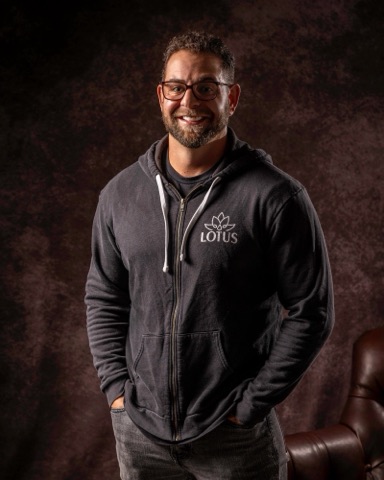 James Stephenson
Lotus, Massachusetts and Connecticut
Quick answers.
Do I have to keep running it while I figure out what to do?
Not necessarily. If there's already a manager or a trusted lead tech, you may be able to stay in the background while keeping the doors open during a transition. What matters is that someone is making day to day decisions and that your employees and customers have stability.
Can I sell it even if I don't know how the business works?
Yes. Buyers buy businesses, not technical knowledge. What you need to provide is financial records, a list of assets and equipment, the lease, and an honest picture of how the shop operates. A good buyer will conduct their own due diligence. You don't need to pass a test on tire mounting to close a deal.
What if the books are a mess or weren't kept well?
It's more common than you'd think. A business that ran on cash and informal records is harder to value and harder to sell, but it isn't impossible. A broker who knows the industry can often reconstruct a reasonable picture from bank statements, tax returns and other records. The messier the books, the more important it is to work with someone who's done this before.
What happens to the employees when I sell?
In most auto repair shop sales in this area, employees stay on with the new owner. A buyer buying a business is buying the team, the customer relationships and the reputation, not just the lifts and the air compressor. That said, there are no guarantees, and a good buyer will want to meet key staff during due diligence.
Is it disrespectful to my parent to sell what they built?
That's a question only you can answer, and plenty of people selling inherited businesses carry it with them. What most people find is that a shop sold thoughtfully, to a buyer who will care for it, honors the work more than a shop that slowly declines under an unwilling owner.
Thinking about what comes next for your shop or building?
Tell James a little about it. Only James reads it, and the conversation stays private. No pressure, no broker and no mailing list.