How do I list my mechanic shop for sale by owner in Massachusetts or Connecticut?
Selling by owner means you handle the buyer search, the negotiations and the paperwork yourself, or with an attorney instead of a broker. You save the commission, usually six to ten percent of the sale price, but you take on the work of finding a qualified buyer and making sure the deal holds together. For shop owners with a strong local network or a buyer already in mind, it often works out well.
If this sounds like youYou built this shop yourself and you'd like to sell it the same way. No broker taking a percentage, no listing on a public site, no strangers walking through the bay before you've decided anything. You want to stay in control and keep it quiet until you're ready. That's a reasonable way to do it, and plenty of shops change hands in Massachusetts and Connecticut exactly like that.
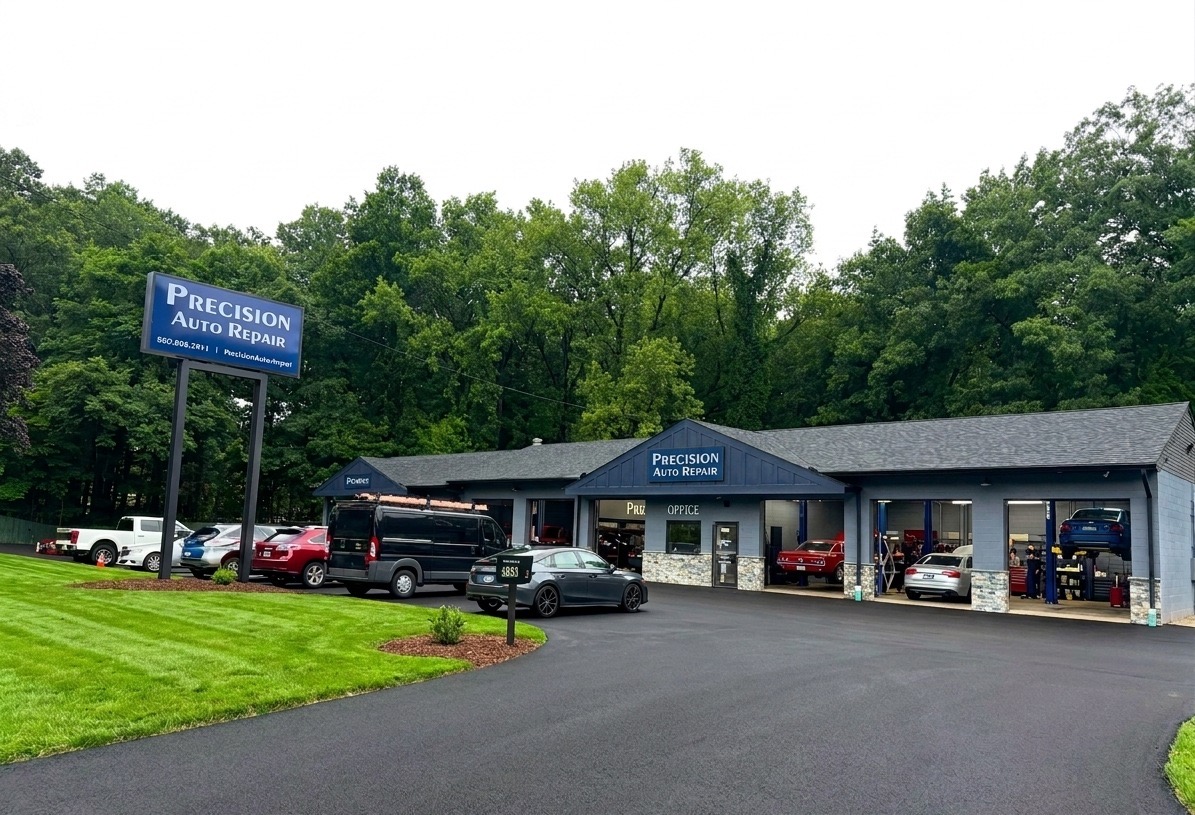
What you can do.
Sell directly to someone you already know
A technician who wants to own their own shop, a supplier who knows your business, a neighbor who's always asked. If you have someone in mind, a private sale with an attorney keeps the whole process between the two of you.
Reach out to a few qualified buyers without a public listing
Some owners put together a short list of people who'd be a good fit, like a regional buyer or a larger independent operator, and approach them directly. No public listing, no broker, just a quiet conversation.
Work with an attorney to structure the deal yourself
A business attorney in Massachusetts or Connecticut can draft the purchase agreement, handle the closing documents and make sure the transfer is done right, without you needing a broker to run the process.
What to watch for.
- Get a signed confidentiality agreement before you share any financials. Even if you trust the person, having it in writing protects you if the deal doesn't happen.
- Have your three most recent years of tax returns and your profit and loss statements ready before you talk to any buyer. A serious buyer will ask for them right away and you don't want to scramble.
- Don't skip the attorney step because you're doing it yourself. The purchase agreement, the asset list, the noncompete terms and the closing documents are where deals come apart. Your own attorney, not the buyer's, should review everything before you sign.
Owner to owner, and it stays private.
Lotus buys auto repair shops directly from owners in Massachusetts and Connecticut, with no broker in the middle. We move quickly, we keep things private and we don't need a public listing to get to a deal. If you're thinking about selling by owner and want to talk to a real buyer, talk to James.
 James Stephenson
Lotus, Massachusetts and Connecticut
Quick answers.
Do I need a broker to sell my mechanic shop?
No. Many shops in Massachusetts and Connecticut sell without one. A broker can help you find buyers and manage the process, but you can do the same thing yourself, or with an attorney, and keep the commission.
How do I find buyers without listing the shop publicly?
Start with people who already know the business: employees, suppliers, neighboring shop owners, local operators who've grown before. A quiet outreach to two or three serious buyers often works better than a public listing.
What documents do I need to sell my shop by owner?
At minimum: three years of tax returns, a current profit and loss statement, a list of your equipment and its condition, your lease or proof of building ownership, and any vendor or supplier agreements. Your attorney will tell you if anything else is needed for your specific situation.
What's a fair asking price for a mechanic shop in Massachusetts or Connecticut?
Most shops sell for a multiple of their annual owner earnings, adjusted for the building, the equipment and how transferable the customer base is. Talk to a business valuator or a buyer who can give you a real number based on your actual financials, not a general rule.
How do I keep the sale confidential from my employees?
Don't share details until you have a signed agreement and a closing date in sight. A confidentiality agreement with the buyer keeps the numbers private. Most owners tell their team right before closing, with a plan already in place for the transition.
Thinking about what comes next for your shop or building?
Tell James a little about it. Only James reads it, and the conversation stays private. No pressure, no broker and no mailing list.