Selling an auto repair shop in Bristol County, Connecticut
Bristol County has something a lot of buyers want: a customer base that keeps its vehicles a long time, steady commercial work from the small manufacturers and trades that run through the area, and prices that have not been inflated by proximity to Hartford or New Haven. Buyers who know Connecticut's inner ring towns understand that Bristol, Southington and Plainville are not sleepy backwaters. They are reliable, year round markets with real volume.
If this sounds like youYou have been part of the fabric of this community for a long time. The regulars know you by name, the fleets call you first and your techs have been with you through the hard years. When it is time to think about selling, the question is not whether you built something worth buying. It is whether you can find a buyer who understands what a steady, working class Connecticut town means for a repair shop.
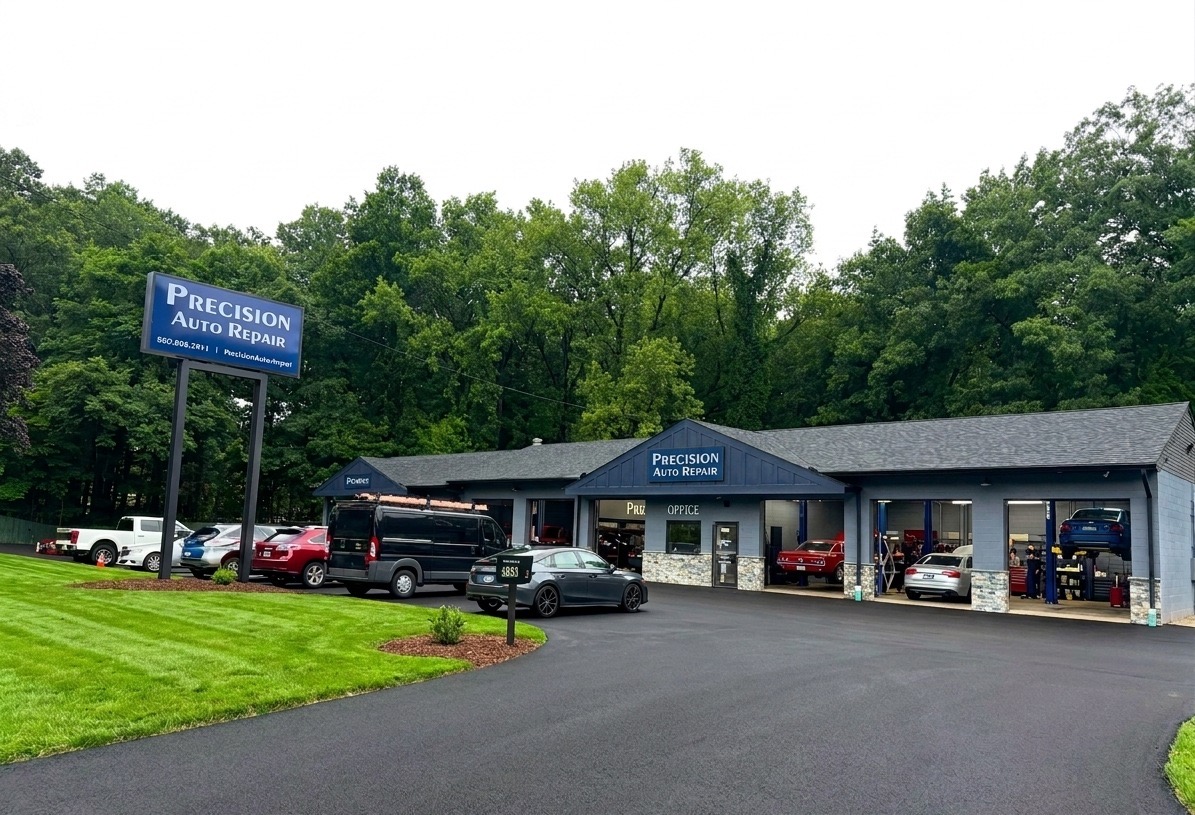
What you can do.
Sell to a Connecticut buyer already in the trade
Someone who owns a shop in a neighboring town and wants a second location is a natural fit. They know the labor market, they understand what Connecticut customers expect and they will not need a year to figure out the parts supply chain. These deals can move on handshake terms when both sides trust each other, though you still need proper documentation.
Sell to a first time buyer entering the industry
Bristol County attracts buyers who want to own something tangible. A well documented shop with trained staff and a track record of consistent revenue is exactly what a motivated first time buyer needs to get financing and get started. If your operation can run a week without you in it, you are in a strong position.
Sell to a multi shop group expanding in Connecticut
Consolidators have been active in Connecticut and their appetite for established shops in solid secondary markets has grown. They are not chasing trophy locations. They want real earnings, real technicians and a real customer list. If your shop has been profitable for several years, you are worth a conversation with these buyers.
What to watch for.
- Connecticut buyers will want to see your ARO trend alongside your total revenue. A shop whose average repair order has been climbing, even modestly, tells a different story than one whose revenue is flat because tickets are shrinking. Know your numbers at that level.
- If you have fleet accounts, document the relationships in writing before you go to market. A handshake agreement with a fleet customer looks like a liability to a buyer. A written service agreement, even a simple one, looks like an asset.
- The condition of your equipment matters as much as your financials in this market. Buyers in Bristol County know what lifts, tire machines and alignment racks cost. A shop where everything works commands a premium. A shop where deferred maintenance is obvious invites negotiation.
Owner to owner, and it stays private.
Lotus PE has worked with shop owners across Connecticut, including the smaller markets that brokers from Hartford or New Haven often overlook. James understands how Bristol County shops are built and what buyers in this part of the state are actually looking for. If you are thinking about a sale in the next one to three years, the earlier you have that conversation, the better your outcome tends to be. Talk to James.
 James Stephenson
Lotus, Massachusetts and Connecticut
Quick answers.
Is Bristol County a market buyers take seriously?
It is. The steady working population, long vehicle ownership and mix of residential and light commercial work makes it a consistent market. Buyers who have been burned by overpriced urban deals are specifically looking at towns like Bristol and Southington right now.
What do buyers in Connecticut look for first?
Clean, organized financials are the starting point. After that, they want to understand your customer concentration, your lease terms and whether your team is likely to stay after the sale. A shop that depends entirely on the owner being present every day is harder to sell than one with a lead tech and a service writer who run the floor.
How do I figure out what my shop is worth?
A realistic valuation starts with your real earnings, not just your gross revenue. Profitability, the condition of your equipment and real estate, the strength of your customer relationships and what comparable shops have sold for in Connecticut all go into it. Talk to someone who has done this in this market.
Should I pay off equipment loans before I sell?
That depends on your situation and the terms of the loans. Some buyers prefer to assume existing financing. Others want a clean balance sheet. Your CPA and your attorney should guide you on the financial and legal implications before you make a decision.
Can I keep working at the shop after the sale?
Many deals include a transition period where the seller stays on. How long and in what role depends on what the buyer needs and what you are willing to do. Longer transitions can help the buyer retain customers and staff, and they are often built into the purchase price.
Thinking about what comes next for your shop or building?
Tell James a little about it. Only James reads it, and the conversation stays private. No pressure, no broker and no mailing list.