Are there buyers for repair shops in Berkshire County?
Buyers who want to leave a crowded market look for exactly what the Berkshires offer: a shop with loyal customers, steady volume and no landlord in the next town threatening to triple the rent. The right buyer is not always the one who already lives here. It is often someone who has been watching the region and waiting for a shop to come available. Your job is to be ready when they do.
If this sounds like youYou built something real out here, and the last thing you want is to spend a year waiting for a buyer who never shows up. Berkshire County feels far from the action, and plenty of owners have convinced themselves nobody will make the drive. That feeling is understandable, but it is not the whole story.
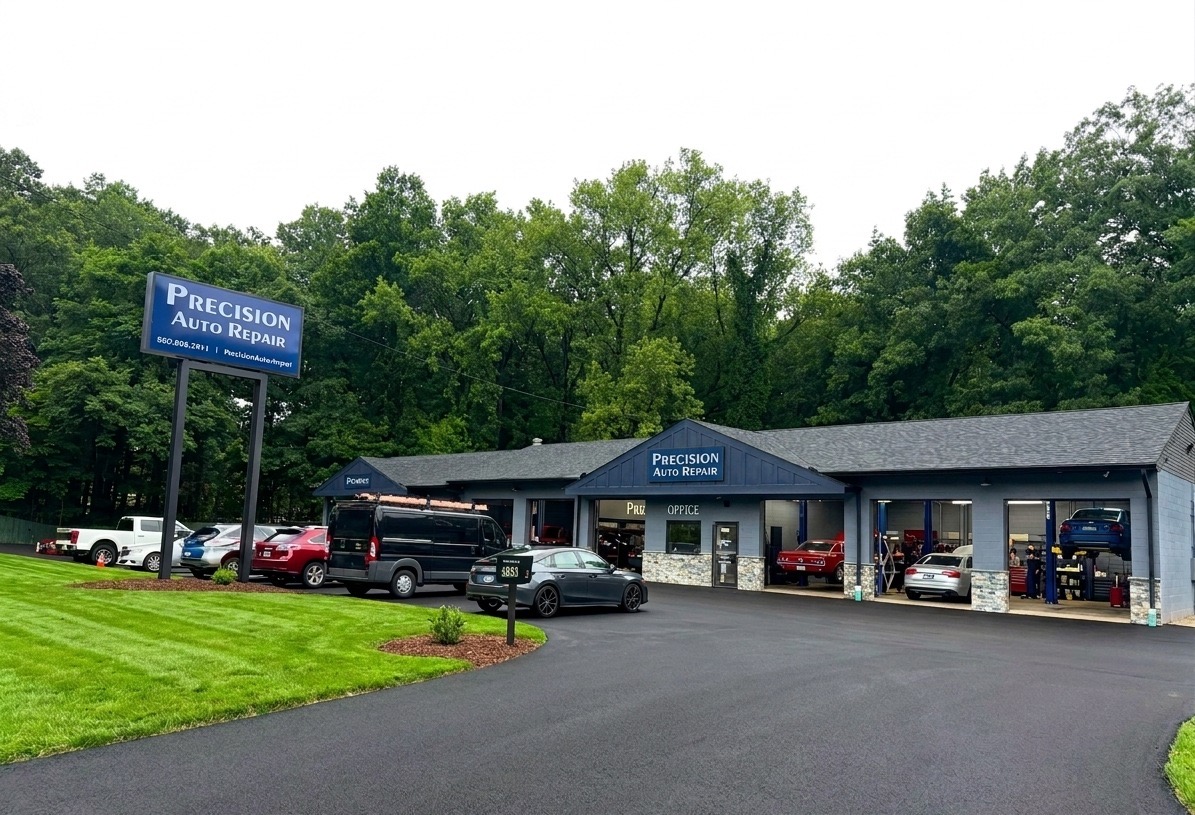
What you can do.
Sell to a local operator
Another shop owner in the region may want your customer list, your bays or your team. A neighbor who knows Pittsfield traffic patterns or the seasonal surge around Lenox arts events sees value that an outsider has to be taught. These deals often move quickly and quietly.
Sell to an outside buyer relocating to western Massachusetts
Remote work has pushed buyers toward smaller cities and rural counties. Someone leaving a high cost metro who wants to own a business and live somewhere with real seasons is a real category. They bring capital and they are genuinely motivated.
Sell to a regional consolidator
Groups that own several shops across New England have expanded into smaller markets. They look for clean books, trained technicians and a shop that runs without the owner standing in the service drive every day. If your operation is tight, you are a target whether you are on Route 9 or Route 7.
What to watch for.
- Get your last three years of financials organized before you talk to anyone. A buyer in Berkshire County cannot just drive over to kick the tires on a Tuesday afternoon, so they will want to see the numbers first and in detail.
- Know what your real customer concentration looks like. If 30 percent of your revenue comes from two fleet accounts, say so early. Buyers will find out, and hiding it costs you trust at the worst possible moment.
- Property matters more here than in a city. Whether you own the building or lease it, the terms and condition of that real estate will shape the deal. Have your lease or deed ready and know what transfers with the sale.
Owner to owner, and it stays private.
Lotus PE works with auto repair shop owners in western Massachusetts who want to understand what their business is worth and what a sale would actually look like. James knows the Berkshire market and works with buyers who look at the whole region, not just the interstate corridor. Talk to James before you decide the market is not there.
 James Stephenson
Lotus, Massachusetts and Connecticut
Quick answers.
Will a buyer really come to Berkshire County?
Yes. Buyers come where the numbers make sense. A well run shop with clean records and a loyal customer base in Pittsfield or Great Barrington will get attention. The pool is smaller than in a city, but the competition for your shop is smaller too.
Do I need a broker to sell my shop?
You do not need one to start a conversation, but someone who knows the market and has worked through deals like yours will help you avoid mistakes that are hard to undo. At minimum, talk to a few people who have been through it before you sign anything.
How long does it take to sell a shop in a rural market?
It varies. A shop that is ready to show, with organized records and a clear asking price, moves faster than one that needs months of prep. Plan for six to twelve months as a realistic window, though deals do close faster when the right buyer is already looking.
Should I tell my employees before I sell?
Most owners wait until there is a signed agreement. Telling staff too early creates uncertainty that can hurt morale and make buyers nervous about retention. Your adviser can help you think through the timing for your specific situation.
Do I need a lawyer and a CPA for this?
Yes. Talk to your own attorney and accountant before you agree to any terms. They will look out for your interests on the tax side and the legal side in ways that a business adviser cannot.
Thinking about what comes next for your shop or building?
Tell James a little about it. Only James reads it, and the conversation stays private. No pressure, no broker and no mailing list.