Who buys auto repair shops in Litchfield County, Connecticut?
Litchfield County has a real market for auto repair shops. Buyers come from several directions: local technicians who have been working for someone else and want to own their own shop, operators from Hartford County or Fairfield County who are looking for a second location where the rent and purchase price are more manageable, and buyers from out of state who specifically want a New England shop in a town without heavy competition. The county covers a wide range of markets. Torrington and Watertown have enough population to support multi-tech shops with strong revenue. Winsted, New Milford and the smaller towns along Route 44 and Route 202 have loyal customer bases built over decades, which is exactly what a buyer is paying for. Distance from Hartford doesn't hurt a good shop. What buyers care about is whether the numbers are consistent, whether the shop has a defensible customer base, and whether the lease or the real estate situation is workable. A shop in Canaan with strong earnings and a sensible lease will get buyer attention. The search takes longer when buyers are fewer, but the right buyer for a Litchfield County shop is out there, and they're often looking specifically for what this area offers.
If this sounds like youAn owner in northwestern Connecticut who has been in business for years and is starting to think about what comes next. They feel geographically removed from Hartford and New Haven. They assume buyers are only looking in cities and that a rural or small-town shop won't get real interest. They may have already talked themselves out of trying.
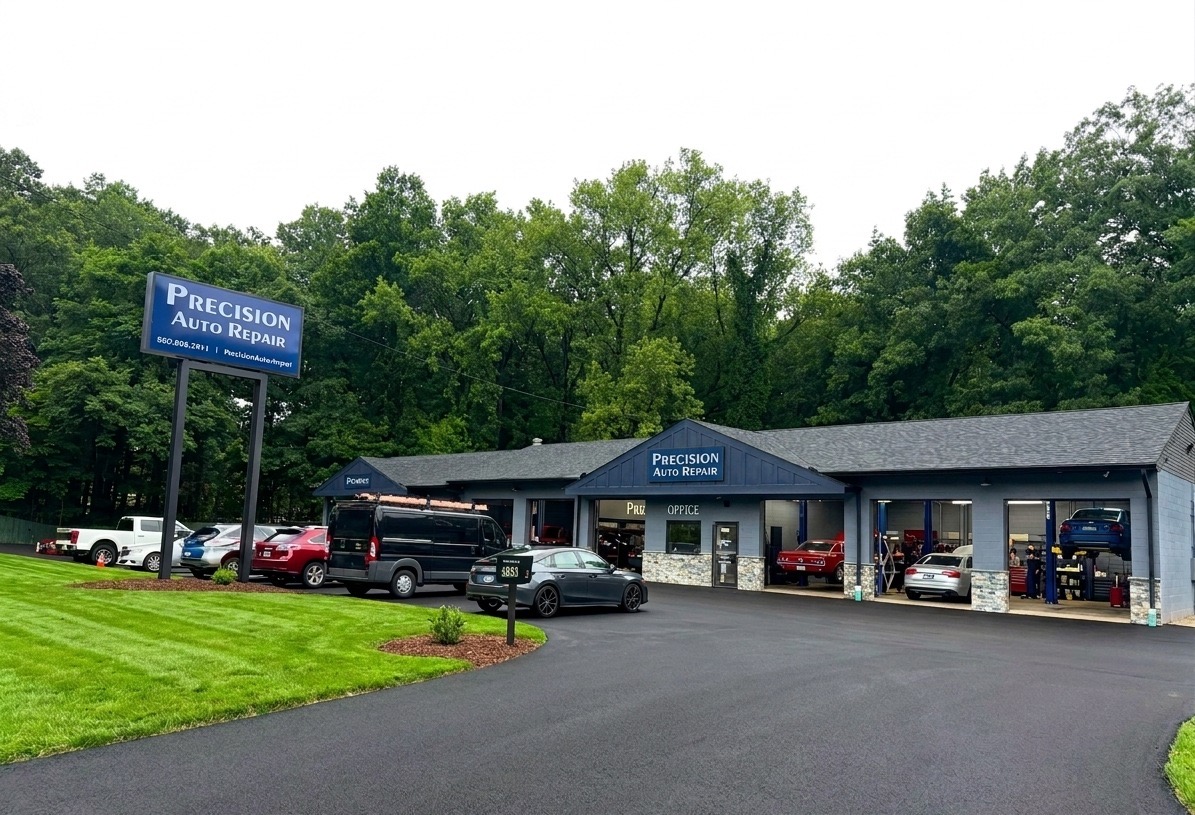
What you can do.
Sell to a local buyer already in the area
Technicians and service advisors working in Litchfield County often want to own their own shop but haven't found the right opportunity. A confidential, targeted search within the county and neighboring towns can surface buyers who already know the market and don't need to be convinced that the area can support a shop.
Sell to an operator expanding from a nearby county
Buyers in Hartford, Tolland or Litchfield's bordering Massachusetts counties sometimes want a second location where real estate costs are lower and competition is lighter. A shop with consistent revenue and a good location is exactly what this kind of buyer is looking for.
Sell with real estate included
Litchfield County has many shops where the owner also owns the building. Including the property in the sale can widen the buyer pool, simplify the deal and produce a larger total number. Some buyers specifically look for real estate and business together because it removes the risk of a future landlord increasing rent.
What to watch for.
- A short or expiring lease on a Main Street or Route location can make buyers hesitate, especially in towns where there aren't many alternative commercial spaces. If your landlord is open to negotiating a renewal, do it before you start the sale process.
- Shops in smaller towns sometimes have revenue that is very concentrated in a few hundred loyal customers. A buyer will want to see that those customers come back regularly and that their loyalty is to the shop, not only to you personally.
- Equipment condition matters more in rural markets where buyers know they can't easily get a service call the next morning. Lifts, alignment equipment and anything a buyer will rely on from day one should be in working order and recently serviced.
Owner to owner, and it stays private.
Lotus PE knows the Connecticut and Massachusetts market, including Litchfield County, and we work with owners who think their shop might be too small or too far off the beaten path to sell. We'll tell you honestly what your shop is worth and who the realistic buyers are. Talk to James to find out what your shop could bring and what it would take to get there.
 James Stephenson
Lotus, Massachusetts and Connecticut
Quick answers.
Q: Are buyers really willing to travel to Litchfield County to look at a shop?
A: Yes. Buyers looking for a shop in Connecticut often find that pricing and competition in Hartford and Fairfield County don't work for them, and they look northwest. A shop with strong, consistent earnings will attract buyers from across the state and from Massachusetts.
Q: Does the population of a small town limit what a shop can sell for?
A: Population sets a ceiling on potential revenue, but buyers are paying for what the shop actually earns, not what it might earn in a larger market. A shop in a town of 10,000 that has built a loyal following and runs clean can sell for a solid multiple of its earnings, the same way a city shop can.
Q: How do I keep the sale confidential in a small town where everyone knows me?
A: Confidentiality is handled from the start. Buyers sign a nondisclosure agreement before they learn anything about the shop, and site visits are arranged discreetly. In a small town this matters even more, and an experienced advisor knows how to manage it without word getting to your employees or your customers.
Q: Should I try to find a buyer on my own, or work with someone who knows the market?
A: Selling on your own is possible, but most owners find that reaching the right buyers, managing confidentiality and negotiating terms is more work than they expected. An advisor who knows the Connecticut market, including smaller markets like Litchfield County, can run the process while you keep running the shop.
Q: What is the first step if I want to find out what my Litchfield County shop is worth?
A: The first step is a conversation where you share your basic financials and we give you an honest read on value and market conditions. There's no commitment required, and you'll walk away knowing whether the numbers support a sale and what the realistic path looks like.
Thinking about what comes next for your shop or building?
Tell James a little about it. Only James reads it, and the conversation stays private. No pressure, no broker and no mailing list.