Selling my auto repair shop on the North Shore of Massachusetts
The North Shore from Salem and Beverly out through Peabody, Danvers and Haverhill is a dense, loyal market for independent auto repair. Shop owners here tend to have deep roots in their towns and a customer base that follows the name, not the address. That loyalty is real value, and finding a buyer who recognizes it and plans to keep it is the work of a good sale.
If this sounds like youYou've run a shop on the North Shore long enough to know that this area has its own character. Your customers come back because they know you and they trust the name on the building. When you think about selling, the question that probably bothers you most isn't the price. It's whether the right buyer will understand what you built and take care of the people who work there.
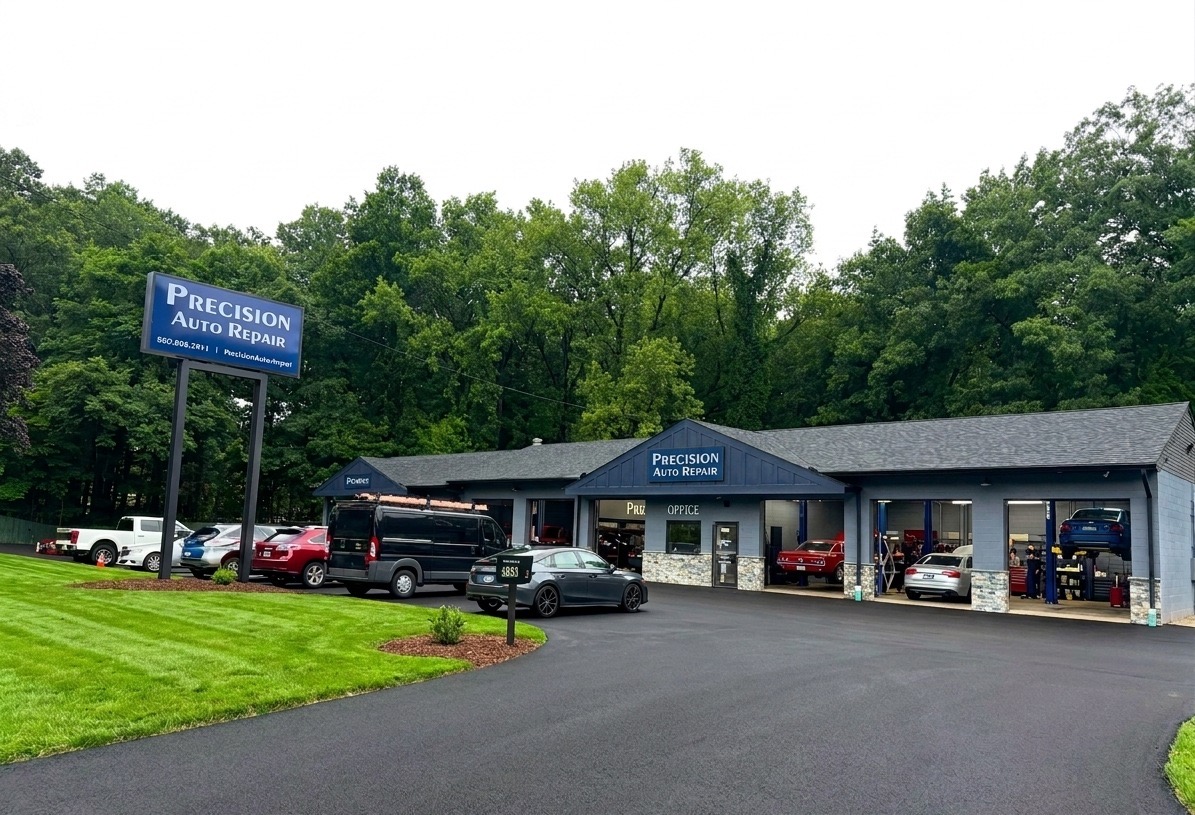
What you can do.
Sell to a buyer who will keep the shop running under your name
Your name on the building means something in your town. A buyer who keeps it benefits from every year you spent building that reputation, and your customers don't have to wonder where to go.
Sell and stay involved for a transition period
A planned handoff of three to six months lets you introduce the new owner to your regulars, brief the team and walk away with the customer base intact. Many buyers on the North Shore expect and welcome this.
Sell to a regional buyer who already operates in Massachusetts
A buyer with other shops in the state understands the market, the labor pool and what customers expect. They're less likely to change things that are already working.
What to watch for.
- Think about whether your best customers know you personally or know the shop. If they come because of you, a longer transition period protects that value. If they come because of the reputation and the location, the handoff can be shorter.
- Get clear on what you own versus what you lease. A buyer will ask right away. If you own the building, that's a separate conversation from the business itself, and it affects the structure of the deal.
- Talk to your accountant before you agree to a price or a structure. A sale in Massachusetts has tax implications that depend on how the deal is set up, and your own CPA is the right person to walk you through them.
Owner to owner, and it stays private.
Lotus buys auto repair shops on the North Shore of Massachusetts. We know the area, we keep the shop running and we keep the team that made it work. If you're thinking about selling in Salem, Peabody, Beverly, Haverhill, Danvers or the towns nearby, talk to James.
 James Stephenson
Lotus, Massachusetts and Connecticut
Quick answers.
Are there buyers specifically looking for shops on the North Shore?
Yes. The North Shore's density, strong commuter traffic and loyal customer base make it attractive to regional buyers. You don't have to look nationally to find someone serious.
Will my customers stay after I sell?
Most do, especially when the shop keeps its name, its location and its team. The biggest risk to customer retention is a sudden change in how the shop runs or who's behind the counter. A well-planned transition reduces that risk.
Does it matter that my shop is in a smaller North Shore town versus Salem or Peabody?
Smaller towns can actually be an advantage. A shop that's the go-to place in Ipswich or Rockport has less competition and a tighter hold on its customer base than a shop in a busier corridor. Buyers who understand the region see that.
How long does it take to sell a shop on the North Shore?
From the first serious conversation to closing, most deals take three to six months. Having your financials ready and knowing roughly what you want can shorten that considerably.
Should I tell my employees before the sale is final?
Most owners wait until the deal is signed and the closing date is set. At that point, being direct and giving the team time to ask questions makes the transition smoother for everyone, including the buyer.
Thinking about what comes next for your shop or building?
Tell James a little about it. Only James reads it, and the conversation stays private. No pressure, no broker and no mailing list.