Who buys auto repair shops in Plymouth County and the Brockton area?
The Brockton area and Plymouth County have distinct advantages for a buyer: dense population, high vehicle ownership, a customer base that depends on independent shops rather than dealers, and prices that are more accessible than metro Boston. Those are exactly the things buyers are comparing when they're looking at southeastern Massachusetts. Buyers in this market come from several directions. Some are experienced technicians or shop managers from Plymouth County itself who've been building toward ownership for years. Some come from metro Boston, they grew up here, they know the area, and they'd rather buy something established than start from scratch. Some are operators who already own a shop in Bristol or Norfolk County and want to add a second location in Plymouth County. What they all have in common is that they're looking for something real: a shop with consistent car count, documented revenue and a lease or property that makes sense. The Brockton area's customer demographics mean a shop here often runs higher volume on everyday repairs, brakes, tires, oil services, state inspections, with steady year-round demand. That's a profile buyers find attractive and lenders find financeable. Shops in the more suburban and rural parts of Plymouth County, like Plymouth town itself or Wareham, attract a slightly different buyer: someone who wants a bit more breathing room, a loyal base that isn't going anywhere, and potentially real estate as part of the deal. If you own your building, that changes the conversation significantly. Your own CPA and attorney should be part of your planning from the start.
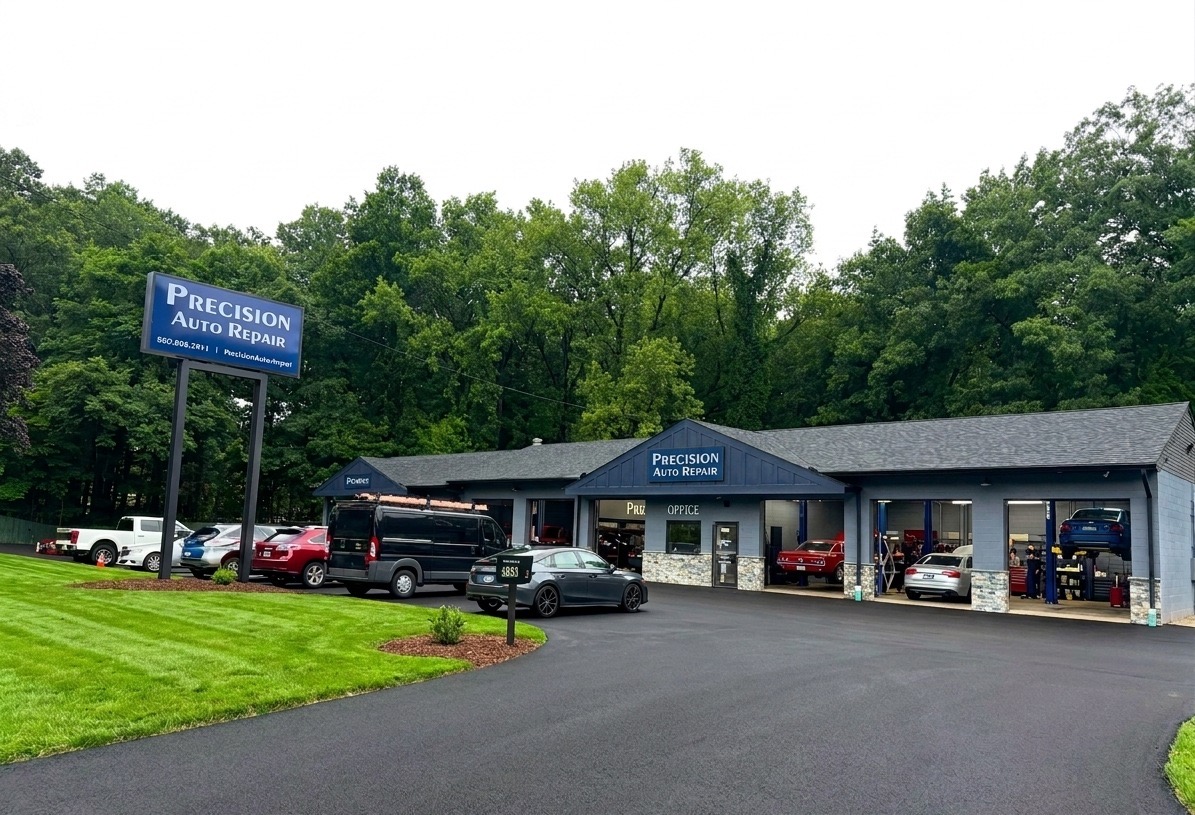
If this sounds like youPlymouth County covers a wide stretch of southeastern Massachusetts, from Brockton's dense neighborhoods down to Plymouth and out to Wareham and Middleborough. If you own a shop in this part of the state and you're thinking about selling, you're in a market that most people outside of it underestimate. The Brockton area alone has one of the largest concentrations of registered vehicles in the state. Shops here serve real volume, real loyalty and real demand. This guide is for owners in Plymouth County who want to understand who buys shops in this market and what the process actually looks like.
What you can do.
List with a broker who covers the southeastern Massachusetts market
A broker with experience in Plymouth County and the Brockton area knows the buyer pool, who's actively looking, who has financing, and who has the background to run a shop here. They handle confidentiality, qualify buyers before you spend time on them, and manage the back-and-forth so you can keep running your shop. For a shop doing consistent revenue, this is usually the most efficient path to a qualified buyer.
Consider the real estate separately
If you own your building in addition to the business, you have more choices than most sellers. You can sell the business and the real estate together, which some buyers prefer because it eliminates landlord risk. Or you can sell the business and lease the building to the new owner, which gives you ongoing income and keeps you as the landlord. These are meaningfully different deals with different tax and financial outcomes. Talk to your CPA and your attorney before you decide which direction makes sense for your situation.
Start with a valuation before you decide anything
A lot of Plymouth County shop owners don't start the process because they don't know what their shop is worth, and they don't want to get into something they can't back out of. Getting a valuation is just information. It doesn't commit you to anything. It tells you what your shop is worth in today's market, what a buyer is likely to offer, and whether the number is what you need it to be before you're ready to sell. Starting here often gives owners the clarity to either move forward or put the plan on a specific timeline.
What to watch for.
- Watch for buyers who are drawn to the Brockton area's volume but don't have the operational experience to handle it. A high car count shop needs a buyer who knows how to manage throughput, staff and scheduling, not just someone who can write a check. Ask what they've done before.
- Watch for lease terms that could complicate the sale. A short remaining lease or a landlord who isn't cooperative can slow a deal down or end it entirely. If your lease is coming up, addressing it before you list gives you more control.
- Watch for buyers who lowball based on the neighborhood rather than the numbers. A shop in Brockton with strong cash flow and a proven customer base is worth what the numbers say it's worth, not less because of assumptions about the area. Know your numbers and be ready to explain them.
Owner to owner, and it stays private.
Lotus PE works with auto repair shop owners throughout Massachusetts, including Plymouth County and the Brockton area. James understands this market's strengths and knows buyers who are specifically looking in southeastern Massachusetts. If you're thinking about selling, talking to James early, before you've made any decisions, is the best way to understand your options. Talk to James to get started.
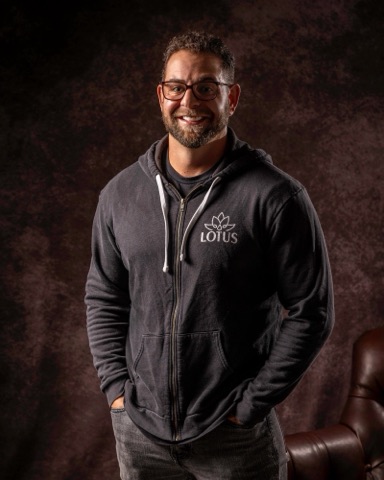 James Stephenson
Lotus, Massachusetts and Connecticut
Quick answers.
Q: Are there buyers specifically looking in the Brockton area?
A: Yes. Buyers looking in southeastern Massachusetts often seek out the Brockton area because of the customer volume and vehicle density. It's a market that makes financial sense for the right buyer, and there are buyers who know that.
Q: How does it affect my sale if I own the building?
A: Owning the real estate gives you more options: sell everything together, or sell the business and lease back the building. Each path has different financial and tax outcomes. Work with your CPA and attorney to decide which structure fits your situation before you list.
Q: What do buyers look at first when they evaluate a Plymouth County shop?
A: Revenue consistency, car count trends, the quality of your records, your lease terms, and the condition of your equipment. A buyer doing their due diligence will want two to three years of tax returns and profit and loss statements. Having those ready speeds the process up considerably.
Q: My shop is in Plymouth or Wareham, not Brockton. Is the buyer market different?
A: Somewhat. Shops in the more suburban and coastal parts of Plymouth County tend to attract buyers looking for a steadier pace and potentially a lifestyle component, including buyers who want to live in the area. The fundamentals of the sale process are the same; the buyer profile is a bit different.
Q: How long does it typically take to sell a shop in this market?
A: Most sales take six months to a year from the time you start the process to closing, though it varies with your shop's size, documentation and how quickly a qualified buyer is found. Starting the process before you're in a hurry gives you more room to find the right buyer rather than the fastest one.
Thinking about what comes next for your shop or building?
Tell James a little about it. Only James reads it, and the conversation stays private. No pressure, no broker and no mailing list.