Are there buyers for repair shops in Tolland or Windham County, Connecticut?
Northeastern Connecticut is a different kind of market. The towns are smaller, the customer base is local and loyal, and most shops that do well here have been doing well for a long time. That stability is actually what buyers are looking for. Someone buying a shop in Vernon or Stafford isn't buying a turnaround project. They're buying a business that already works, in a community where the owner's reputation is built in. That's worth something. Buyers for shops in this region tend to come from a few directions. Some are mechanics or service managers who've worked in shops their whole careers and are ready to own one. Some are buyers from the Hartford metro area who want something smaller and more manageable. Some are regional operators who already have a shop somewhere in Connecticut or Massachusetts and want a second location. The buyer won't walk through the door on their own. These deals happen through connections, through brokers who work in the region, and through word of mouth in the industry. If you wait for someone to knock, you'll wait a long time. The other thing to know is that financing is available for buyers in this market. The SBA 7(a) loan program works in Tolland and Windham County the same as it does anywhere else in the country. A qualified buyer can finance a solid portion of the purchase price. That opens the pool beyond just buyers who have all cash ready. What it means for you: a shop that's well documented, clean books, a real customer list, consistent revenue, is financeable, and a financeable shop sells. Talk to your own CPA about your numbers before you start the process.
If this sounds like youIf you own a shop in Vernon, Stafford, Willimantic, Putnam, Danielson or anywhere else in northeastern Connecticut, you've probably wondered whether there's anyone out there who'd actually want to buy it. These towns aren't Hartford or New Haven. They're not on anyone's radar the way the shoreline or the I-95 corridor is. That can make the whole idea of selling feel uncertain before you've even started. This guide is for you. The buyer market in Tolland and Windham County is real, it just works differently than it does in a bigger market, and knowing how it works puts you in a much stronger position.
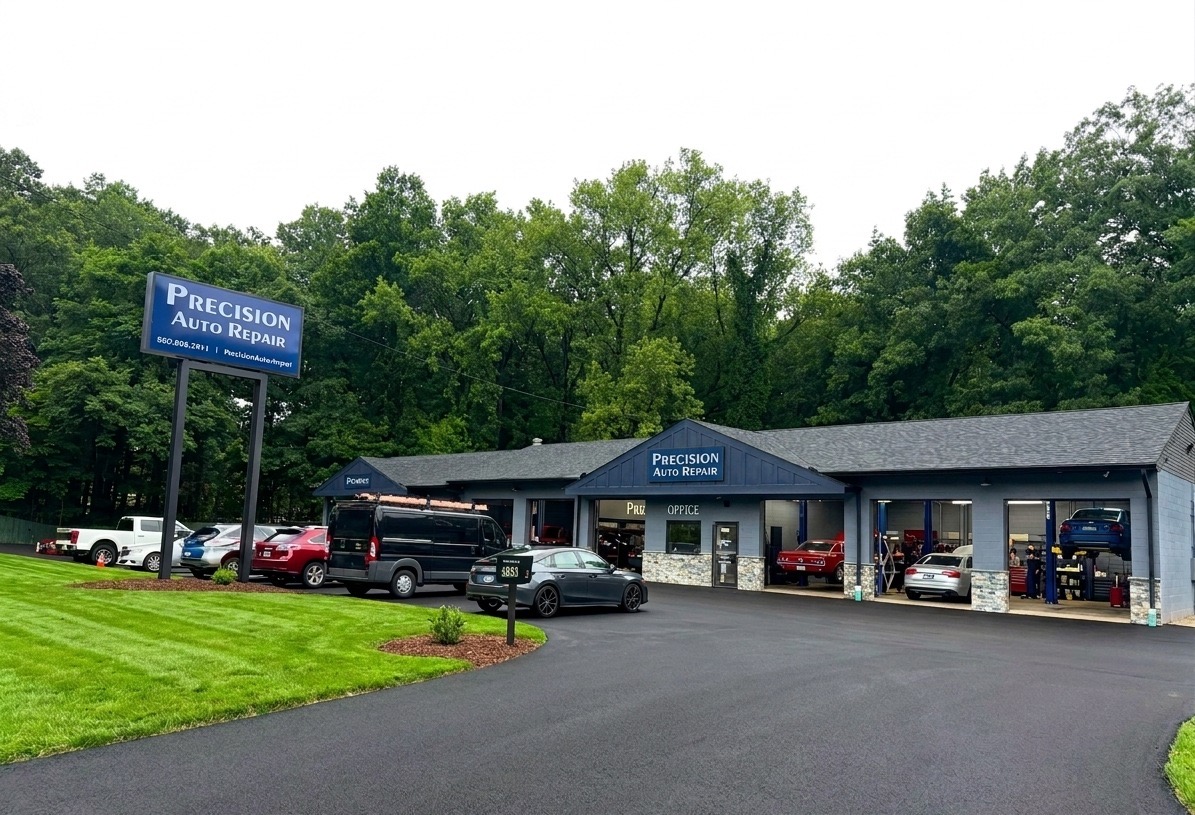
What you can do.
Work with a broker who covers the Connecticut market
A business broker who knows the Connecticut auto repair market can reach buyers you'd never find on your own, buyers already looking, buyers in the region, and buyers from out of state who've told them specifically what they want. The broker handles confidentiality, screens buyers before you talk to any of them, and manages the process so you're not doing this on top of running your shop every day. This is usually the right path for shops with consistent revenue and clean records.
Sell to someone already in your orbit
In smaller markets like Tolland and Windham County, the right buyer is sometimes already close to you, a long-time employee who's talked about owning a shop, a competitor's manager who wants out, a supplier contact who's mentioned it in passing. These deals can move faster and with less friction when both sides already know each other. The same legal and financial process applies: purchase agreement, due diligence, financing. But the starting point is a conversation, not a listing.
Let the process run on a timeline that works for you
You don't have to be in a hurry. Owners in northeastern Connecticut who plan two or three years ahead have more options than owners who need to close in six months. A longer runway lets you get your records in order, make small improvements that matter to buyers, and wait for the right person instead of the first person. Starting the conversation now, even just to understand what your shop is worth, costs you nothing and tells you a lot.
What to watch for.
- Watch for anyone who pressures you to sign a listing agreement before you understand exactly what they'll do, who they'll contact, and how they'll keep your sale confidential. In a small market, word getting out early can unsettle your employees and your customers.
- Watch for valuations that aren't grounded in your actual numbers. A shop's value comes from its revenue, its cash flow, its equipment and its lease terms, not from what someone thinks shops should sell for in a particular county. Get a valuation you can explain and defend.
- Watch for buyers who are enthusiastic but unqualified. In smaller markets it's not uncommon for someone to show real interest and then not be able to get financing. Ask early whether a buyer has talked to a lender.
Owner to owner, and it stays private.
Lotus PE focuses on independent auto repair shop sales in Massachusetts and Connecticut, including smaller markets that bigger brokers pass over. James knows the northeastern Connecticut market and works with buyers who are specifically looking in this region. If you're thinking about selling a shop in Tolland or Windham County, talk to James and find out what your options actually are.
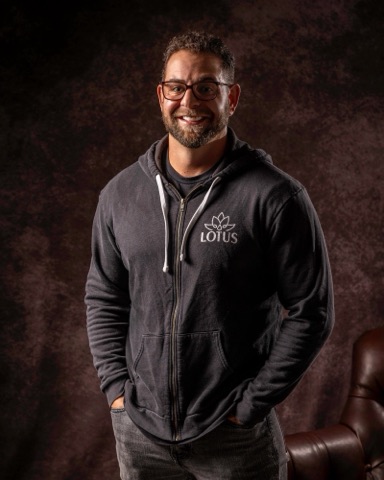 James Stephenson
Lotus, Massachusetts and Connecticut
Quick answers.
Q: Is there really a market for shops in small Connecticut towns?
A: Yes. Buyers looking in smaller markets are often specifically avoiding the competition and higher prices of bigger metro areas. A shop in Vernon, Stafford or Putnam with solid revenue and a loyal customer base is exactly what many buyers are looking for.
Q: How is my shop valued if there aren't many comparable sales in my area?
A: Valuation in smaller markets uses the same methods as larger ones: a multiple of your seller's discretionary earnings, adjusted for your equipment, lease and customer concentration. Comparable sales data from similar markets in Connecticut and Massachusetts fills in where local data is thin.
Q: Can a buyer get an SBA loan for a shop in this area?
A: SBA 7(a) loans are available anywhere in the country, including Tolland and Windham County. A buyer with good credit and relevant experience can often finance a substantial portion of the purchase price. Your shop being well documented makes it easier for a buyer to qualify.
Q: How do I keep the sale quiet in a small town?
A: Confidentiality agreements are standard. A good broker will require every prospective buyer to sign one before seeing your financials or your shop's name. The goal is that your employees, landlord and customers find out when you're ready to tell them, not before.
Q: What if I want to stay involved after the sale for a while?
A: Seller transitions are common and often make the deal easier to close. Staying on for 90 days to a year to introduce the new owner to customers and suppliers, train them on your systems, and give continuity to the team is something buyers in smaller markets often appreciate and sometimes require.
Thinking about what comes next for your shop or building?
Tell James a little about it. Only James reads it, and the conversation stays private. No pressure, no broker and no mailing list.