What does a buyer notice when they walk through my shop for the first time?
A buyer is asking one question the whole time: will this shop work without you here every day? Everything they look at is evidence for or against that answer. The good news is you can shape what that evidence says.
If this sounds like youThe first walk-through feels like an inspection you didn't study for. You're proud of your shop but you don't know what to point out, what to explain and what a serious buyer is quietly adding up in their head.
What you can do.
The team and the rhythm
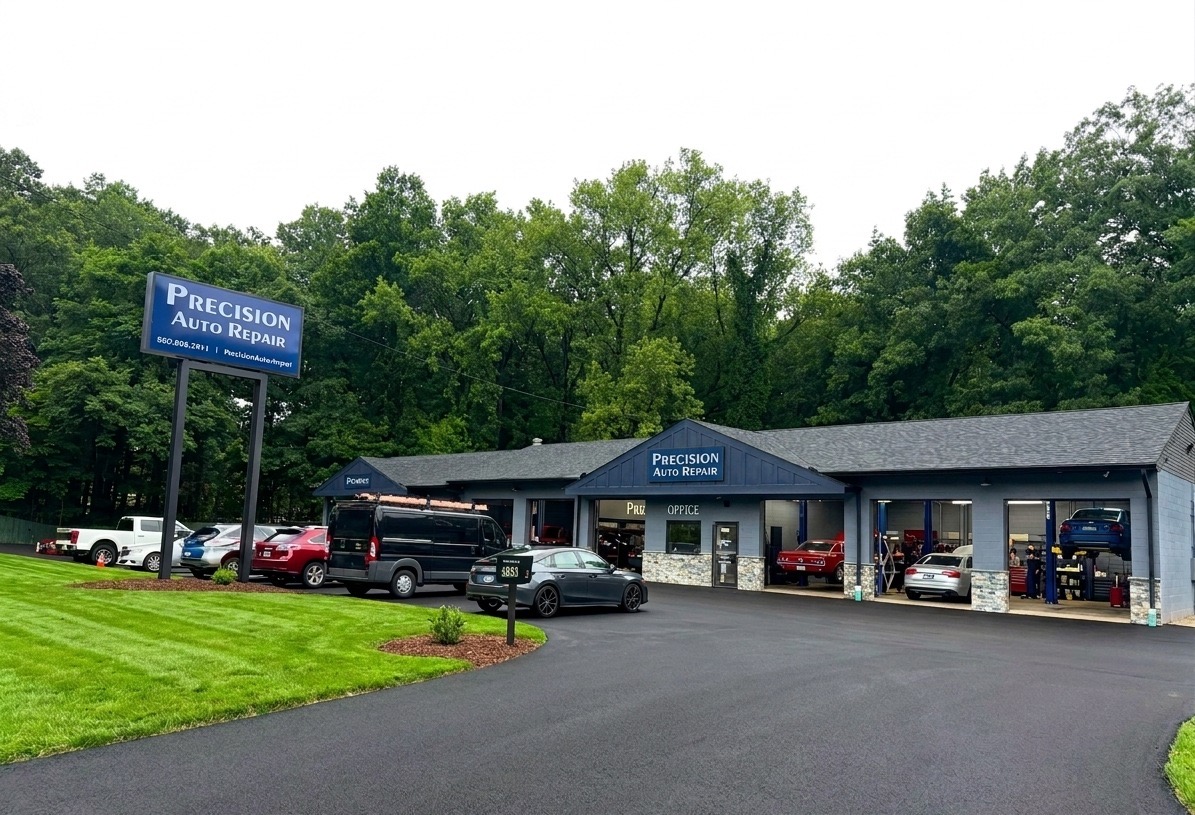
Buyers watch how the shop runs when you aren't standing next to them. Are your techs moving on their own? Is someone writing up work, answering the phone, handing keys back? A shop that runs itself is worth more than one that runs because of you.
The bays, tools and equipment
Buyers take a mental inventory of what they'd have to spend on day one. Lifts that hold weight, alignment equipment in working shape, a scan tool that covers current vehicles and a clean, organized parts area all say the shop has been maintained. Rust, worn out gear and a storeroom in chaos say the opposite.
The paperwork trail
Before they ever step inside, most buyers ask for three years of tax returns, monthly sales by category and a list of your fleet or repeat accounts. During the visit they want to see how tickets are written and closed. A shop where every job is in the system is easier to hand off than one where half the history is in someone's memory.
What to watch for.
- Cleaning up the week before helps, but buyers who have bought shops before can tell the difference between a shop that runs clean and one that was cleaned up for a visit.
- If your best tech or your service writer would leave the day you sold, say so early. Buyers find out anyway, and finding out from you builds more trust than finding out later.
- A buyer who asks to visit more than once and brings a third person is usually serious. Give them the time.
Owner to owner, and it stays private.
James has been inside hundreds of shops and knows what makes a buyer's confidence go up or down during a walk-through. We can go through your shop with you first, tell you what a buyer will likely ask and help you get the answers ready before anyone walks in the door. Talk to James.
 James Stephenson
Lotus, Massachusetts and Connecticut
Quick answers.
Should I do anything to the shop before a buyer visits?
Fix what a buyer would have to fix on day one at their own cost. That means anything that stops work from getting done: a lift that slips, a bathroom that doesn't work, a bay door that jams. Cosmetic things matter less than functional ones.
What if my shop is older and not as polished as newer ones?
Age and polish aren't what buyers are paying for. They're paying for a steady customer base, trained people and a shop that doesn't need a rebuild. An older shop that runs well tells a better story than a newer one that struggles.
Do buyers talk to my employees during the visit?
Usually not on the first visit. Some buyers will ask to meet key people once they're serious and have signed a confidentiality agreement. It's reasonable to wait until then before saying anything to your team.
What's the one thing sellers most often forget to show?
Their accounts. Repeat customers, fleet relationships and anyone who books regularly are worth real money to a buyer. If you have them, make sure the buyer knows what they are and how they were built.
How long does a first visit usually take?
An hour to two hours is typical. A buyer who rushes through it in twenty minutes may not be serious. A buyer who asks detailed questions and takes notes usually is.
Thinking about what comes next for your shop or building?
Tell James a little about it. Only James reads it, and the conversation stays private. No pressure, no broker and no mailing list.