What happens to the lifts, tools and equipment when I sell my shop?
Equipment can be handled a few different ways depending on how the sale is structured. In an asset sale, the buyer is typically purchasing a list of named assets, and equipment shows up on that list with an agreed value. In a business sale where real estate is included, the lifts and racks may be treated as fixtures attached to the building, which changes how they're valued and taxed. Some sellers negotiate equipment separately from the business goodwill to maximize what they walk away with. Talk to your own CPA and attorney about how the structure affects your taxes, that's their job, not ours. What we can do is help you think through the deal structure and what the market will bear.
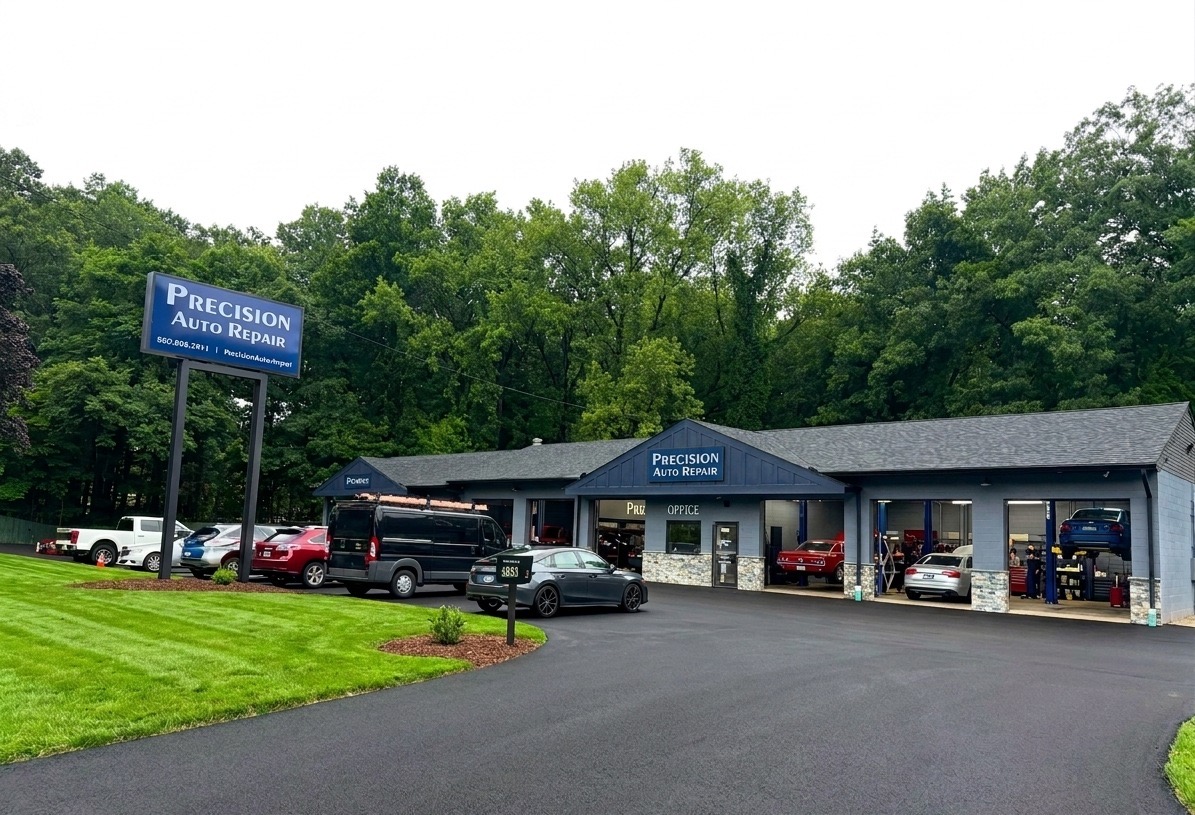
If this sounds like youYou've spent years building out your bays. The two post lifts, the alignment rack, the diagnostic tools, the tire machine, there's real money sitting on that floor. When you start thinking about selling, one of the first questions is what happens to all of it. Does it stay? Does it go with you? Does the buyer pay for it on top of the purchase price? This is one of the most practical questions in any shop sale, and the answer matters more than most owners expect.
What you can do.
Equipment stays with the sale
Most buyers expect the shop to be turnkey. Lifts, the alignment rack, the tire equipment and the air system usually stay because the buyer needs them on day one. The value of that equipment gets factored into the overall price. An older lift that needs certification or a scan tool that's a few years behind may come up in negotiations.
You take some tools and leave the rest
Hand tools and diagnostics you bought yourself are almost always personal property. It's common for a selling owner to take the scan tools and specialty equipment they accumulated over the years, especially if the buyer is bringing their own. This needs to be spelled out clearly in the asset list so there's no confusion at closing.
Equipment is sold separately
Sometimes a buyer doesn't want certain pieces, or the seller wants to recoup value on something the buyer won't use. In that case equipment can be sold off before the deal closes, auctioned, or assigned a buyout price the buyer can opt into. This takes more coordination but it's done regularly in shop sales.
What to watch for.
- Lifts that aren't ALI certified or that have known defects will come up in due diligence. Buyers and their lenders look at equipment condition. Getting ahead of that now means fewer surprises.
- If your shop is in a leased building, check what your lease says about fixtures. Some leases treat permanently installed equipment as the landlord's property at the end of the term. That's a conversation to have with your attorney before you list.
- An equipment list that's vague or incomplete slows deals down. Buyers and their lenders want serial numbers, ages and condition notes. Having that ready moves things forward.
Owner to owner, and it stays private.
Lotus PE has helped shop owners in Massachusetts and Connecticut think through what belongs on the asset list and how to position their equipment in a sale. We've seen how equipment gets handled in real deals and can walk you through what to expect before you sit across from a buyer. Talk to James to start that conversation.
 James Stephenson
Lotus, Massachusetts and Connecticut
Quick answers.
Q: Do lifts count as real estate or personal property?
A: It depends on how they're installed and how the sale is structured. Lifts bolted to a concrete floor are sometimes treated as fixtures, which makes them part of the real estate. That affects value and taxes differently than personal property. Your attorney and CPA are the right people to work through that with you.
Q: Can I sell equipment before I sell the shop?
A: You can, but it may affect what buyers are willing to pay. A buyer who expects a fully equipped shop and walks in to find empty bays will renegotiate. If you're planning to liquidate anything, it's worth having that conversation early so it doesn't create problems later.
Q: What if my equipment is financed?
A: Financed equipment has a lien on it. That lien typically needs to be paid off at or before closing. Your lender will need to issue a payoff letter, and the buyer's attorney will want to confirm the equipment is free and clear before the deal closes.
Q: How do buyers figure out what the equipment is worth?
A: Most buyers use a combination of replacement cost, age and condition. Some deals bring in an equipment appraiser, especially when there's significant value on the floor. For large items like frame machines and alignment racks, documented service records and certifications help support the value.
Q: Does an SBA lender care about equipment?
A: Yes. SBA lenders financing a shop purchase will want the equipment appraised as part of collateral. They'll look at whether it's in working condition, whether it's current on inspections and whether its value supports the loan amount.
Thinking about what comes next for your shop or building?
Tell James a little about it. Only James reads it, and the conversation stays private. No pressure, no broker and no mailing list.