My shop is on a busy state route. Does that change what I can get for it?
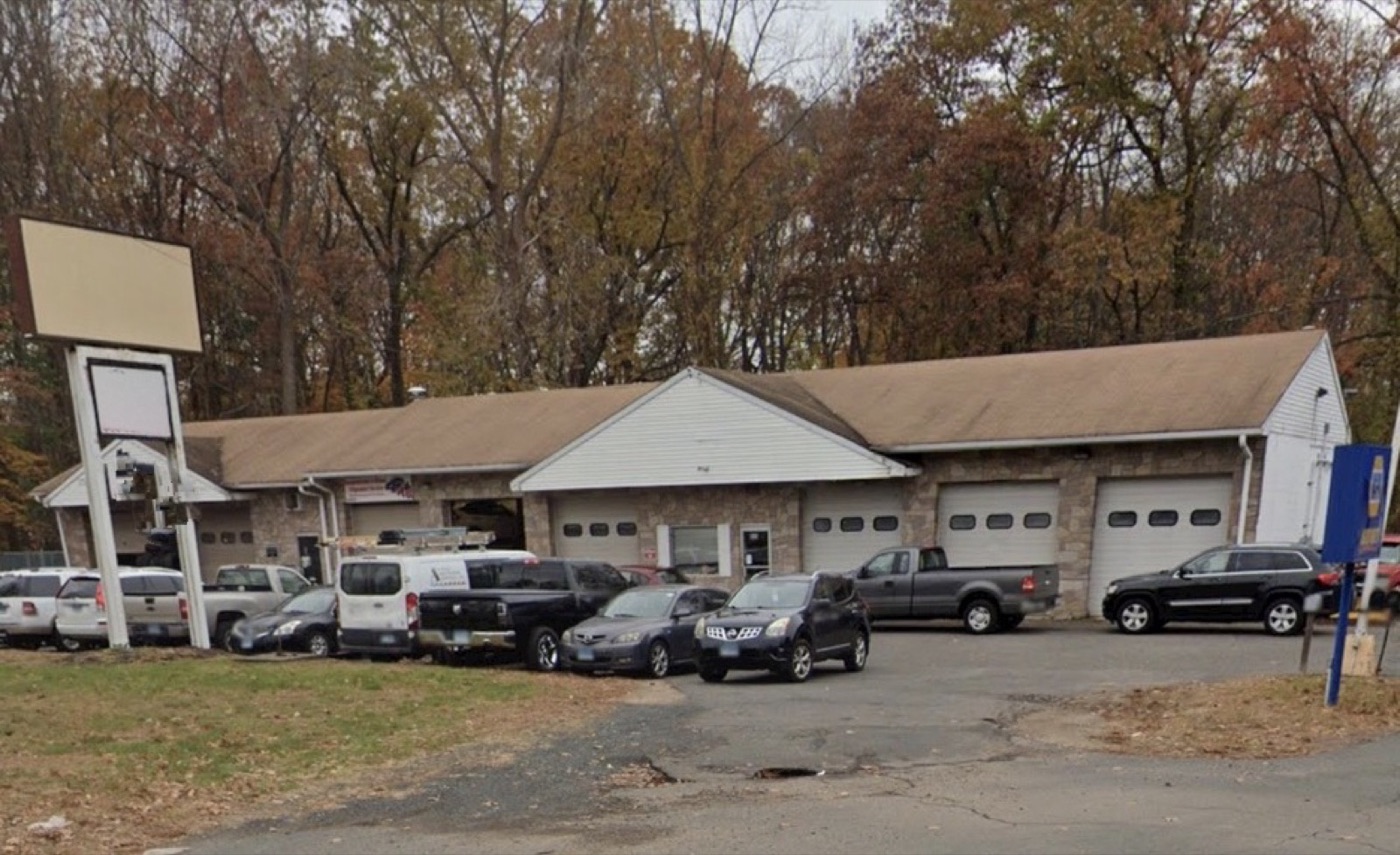
State routes in Massachusetts and Connecticut carry traffic that commercial real estate buyers pay attention to. Route 1 along the coast, Route 6 through central Massachusetts, Route 20 from Springfield east, Route 44 across the northern tier, Route 9 through central Connecticut, these aren't back roads. A shop on a parcel with frontage on a road like this may attract buyers who aren't in the auto repair business at all: developers, national retailers and regional chains looking for accessible commercial locations. That doesn't mean every shop on a state route has development value, but it's worth understanding whether yours does before you sell it only as an auto repair business.
If this sounds like youA lot of independent shops in New England ended up where they did for a reason. The owner bought on a numbered state route because the traffic was there, the visibility was real and the access was easy. Decades later, that location is still drawing cars past the door every day. When it comes time to sell, owners often sense that the land and the building are worth something beyond just what a shop buyer would pay. The question is how to think about that, and whether it actually changes the deal.
What you can do.
Sell as a going auto repair business
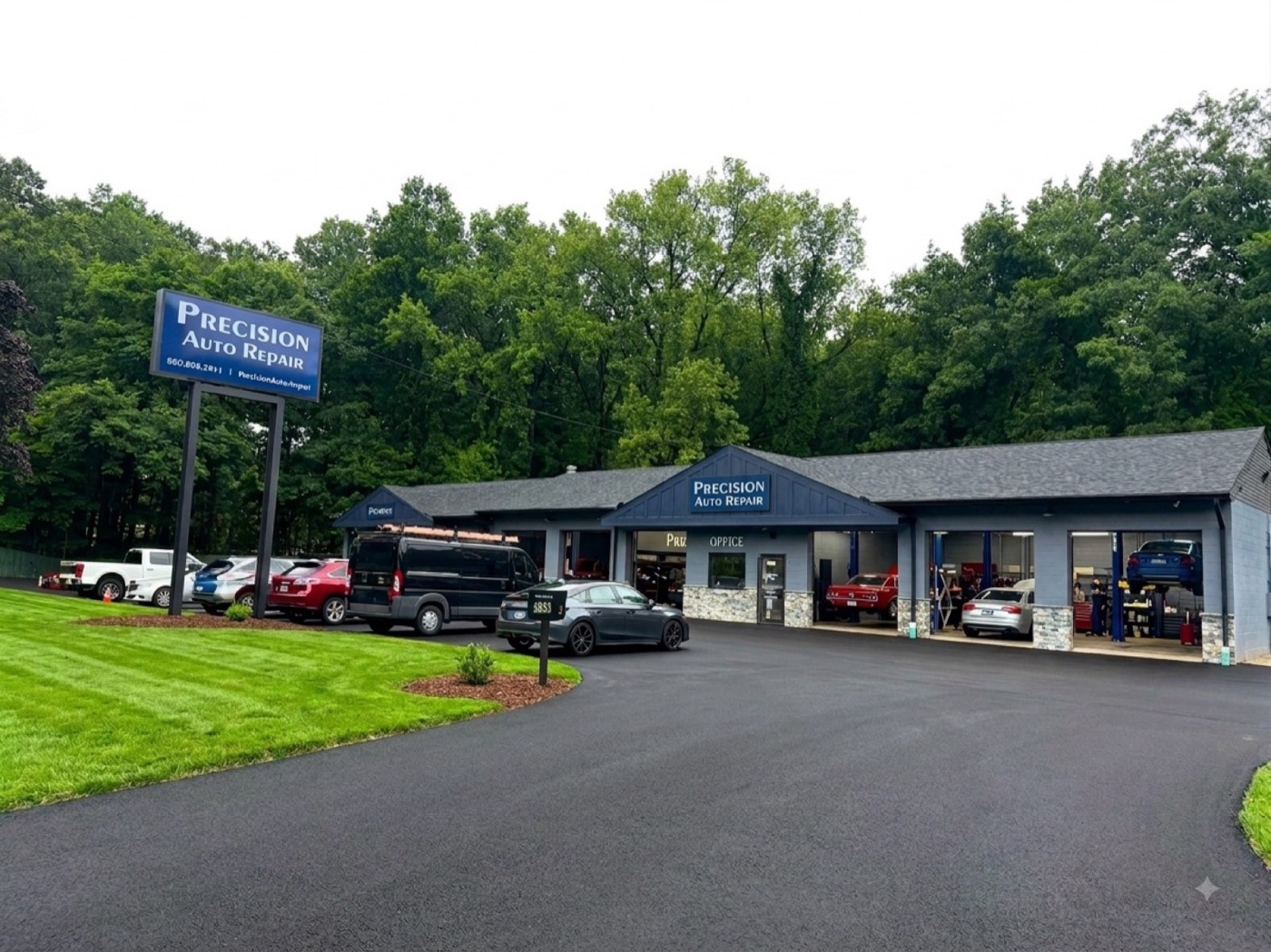
If your shop has a loyal customer base, trained staff and solid financials, the best buyer is probably someone who wants to run an auto repair shop. The state route visibility helps because it's part of why the business does well. In this case the real estate supports the business sale but isn't driving it. This is the most common path for shops that are operationally strong.
Sell to a commercial real estate buyer
If your lot has significant frontage, good access and sits in a commercial zone that allows uses beyond auto repair, there may be a buyer who values the property more than the business. A developer, a national tenant or a commercial investor looking for a leasable property could pay more for the land and building than a shop buyer would pay for the whole business. This path makes the most sense when the business value is modest relative to what the real estate could support.
Lease the property and sell the business separately
Some owners on high traffic routes find it makes sense to sell the business to an operator while keeping the real estate as a long term investment. The business buyer gets a stable location and doesn't need to finance the property. The owner collects rent and retains an asset that may appreciate over time. This isn't the right structure for everyone, but it's worth considering if you don't need the full proceeds at once and if the property has lasting value.
What to watch for.
- Zoning is the first thing to check. A shop on a state route that's zoned commercial general or highway commercial has more options than one in a zone that only allows auto repair or light industrial uses. Your town's planning or zoning office can tell you what's allowed, and your attorney can advise on what a change of use would take.
- Traffic counts matter to commercial real estate buyers in a way they don't to shop buyers. Your state DOT publishes annual average daily traffic counts by road segment. Knowing the number for your location before a buyer brings it up puts you in a better position.
- Contamination is a real issue on properties that have been auto repair shops for a long time. Underground storage tanks, floor drains and years of fluid handling can leave a mark on the soil. A Phase I environmental assessment is a standard part of commercial real estate due diligence in both Massachusetts and Connecticut. Knowing what's there ahead of time lets you deal with it on your terms.
Owner to owner, and it stays private.
Lotus PE helps shop owners in Massachusetts and Connecticut think through what they actually have before they go to market. When real estate is part of the picture, the right path isn't always obvious. James can help you figure out whether your location changes what you should be asking for and who you should be talking to. Talk to James to get started.
 James Stephenson
Lotus, Massachusetts and Connecticut
Quick answers.
Q: How do I find out what my state route frontage is worth?
A: A commercial real estate appraiser who works in your area is the right starting point. They can look at comparable sales on similar roads and give you a defensible number. That's separate from what a business appraiser would say the shop is worth as a going concern.
Q: Can I sell the business and the real estate to different buyers?
A: Sometimes. It takes more coordination and both transactions need to work together, but it happens. A business buyer who's happy to lease and a real estate investor who wants a steady tenant can both get what they need from one sale. Your attorney will need to structure it carefully.
Q: What if my shop is on a state route but traffic has dropped over the years?
A: Traffic counts on most state routes are stable over long periods, but it's worth checking. A bypass, a new interchange or a competing corridor nearby can shift patterns. The DOT traffic count data for your road segment will tell you what's actually happening.
Q: Does being on a state route help or hurt if the buyer is using SBA financing?
A: SBA financing is primarily driven by the business's earnings and the buyer's qualifications. The real estate can serve as additional collateral, which can help. But SBA lenders look at the business first. Strong financials matter more than the address.
Q: Are there buyers specifically looking for auto repair locations on state routes?
A: Yes. National quick lube and tire chains, regional multi shop operators and commercial real estate investors all pay attention to state route locations with good access and visibility. If your shop fits that profile, your buyer pool is wider than just independent owner operators.
Thinking about what comes next for your shop or building?
Tell James a little about it. Only James reads it, and the conversation stays private. No pressure, no broker and no mailing list.